Blackberry brambles a nuisance? Yaupon bushes unruly? To some, these may be unsightly but, if you research your local native flora you may be really surprised and the unruly bush may suddenly become a treasured, more practical yard addition than maybe that imported, invasive species.
The benefit of xeriscaping (the use of native plants in landscaping) not only saves a ton of time and money, but can also yield some other little-known pleasures. Native species attract beneficial insects that kill off the invasive ones (yes, there ARE good bugs!) and most native plants have a natural resistance to drought. If you enjoy butterflies many native plants can be used in place of a store-bought import. When choosing your plants, develop a mentality like you would when shopping for material items – “Made in the USA”…better yet, narrow that down to regional. There are many field guides and books in general that highlight invasive as well as native and better yet – the culinary uses of what may be found right in that unsightly weedy lot behind your house and most also have medicinal uses!
The simplest of pleasures is a nice soothing hot drink after a long day. When using the flora of your natural surroundings you also develop a better appreciation for the wonder of nature. It is a great feeling when you can go out and enjoy what is naturally provided without even having to plant it, feed it or obsess over its care - also NOT having to buy from a grocery store. Here are a few simple, most readily available things you can try today –
Blackberry Tea: Pick blackberry leaves (after berries are done!) gently wash in cool water without bruising, pat dry. If you have a dehydrator, lay leaves out on racks and dry slowly to a nice crumbly-crisp texture. Oven users, lay leaves on a cookie sheet, set oven to about 200* and bake until dry and crumbly – not burnt! I try to leave the leaves whole so I can use them in a tea-ball but you can also add them directly to a cup of hot water and then pour through a paper towel, coffee filter or small-hole strainer to remove the leaves. Use about 2 teaspoons of dried leaves per one cup of boiling water, sweeten (local made/sold honey?) if desired and enjoy! Store unused leaves in air-tight container (I use a recycled spice jar). If dried and stored properly the leaves can be kept and used whenever you wish. If you have raspberry growing naturally – follow these same steps.
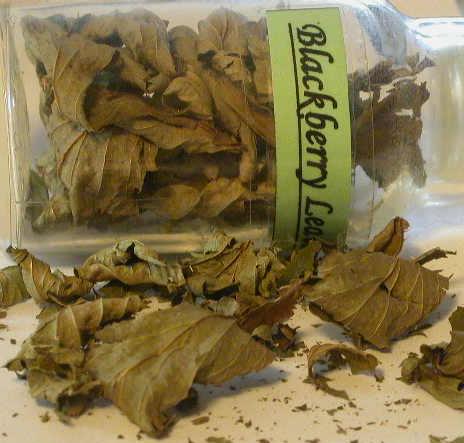
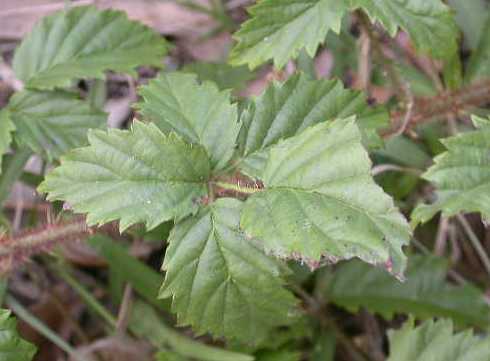
Blackberry
Medicinal Uses for Blackberry: Tea made from the leaves, root and even bark (I have only tried and tested leaves) can be cooled and used as an astringent to treat cuts and burns, when used as a drinking tea it can sooth intestinal upsets of diarrhea and dysentery. Chew the fresh green leaves for swollen gums/throat ailments.
Yaupon Tea: A very little known diamond in the rough- I was shocked to learn that this native wonder is one of only three species that are natural producers of caffeine other than coffee! However, be very careful - it got its name for a reason – “Ilex Vomitoria” – the little red berries were used by natives as a purging agent and can cause severe sickness. This is a wonderful plant and can be easily “tamed” by pruning and easily adapted into a yards landscape as a hedge or let it grow into an attractive winter outdoor tree to provide berries for the native bird species. In the wild, it is an essential part of the winter diet of the deer. Ever look closely at the outer leaves and see the ends nibbled away? Deer. Anyway, pick the new leaves, vibrant light green the older darker leaves can be very bitter. It is essential to dry these, do not use raw! Wash fresh picked leaves, blot dry and dry them as described in the blackberry preparation until they are a nice deep-golden “crunchy” brown. They do not provide as much caffeine as coffee but it is natural and makes a nice hot cup of tea. To me, the flavor and appearance is that of green tea.
Other uses of Yaupon Holly: Very informative! http://plants.usda.gov/plantguide/pdf/cs_ilvo.pdf
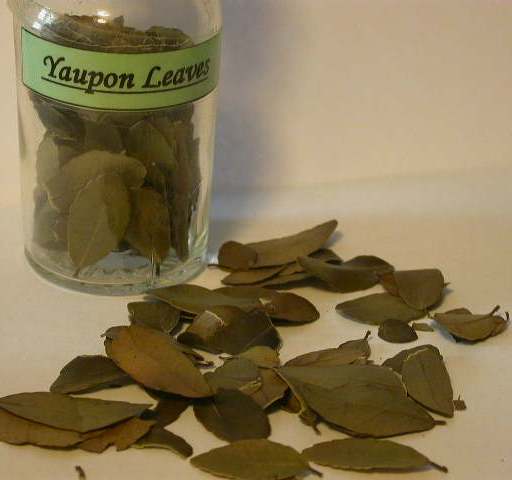
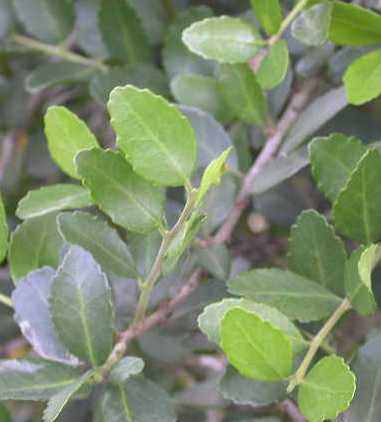
Yaupon Holly
Blueberry leaf tea: Not so readily available here in Texas but something I loved when I was out hunting in the mountains of the extreme North –You might have these plants growing wild or you can buy one to grow if you are in the proper zone for them to thrive. Pick leaves, wash and steep in hot water. No need to dry the leaves first, enjoy them fresh! After being out all day hunting/hiking, on the way back to camp I would pick the leaves and the first thing I would do when we returned to camp was put the water pot back on the fire so I could relax with the soothing soft flavor of the berry that this plant provides.
Medicinal uses of Blueberry: So many to list but here is a very informative page that gives them ALL! Headache, intestinal, eyesight, gas, glaucoma, on and on and on… http://www.botanical-online.com/english/medicinalblueberry.htm
The best breakfast I have ever had is that which was made over an open campfire. Do you have one of those percolator pots that always percolate coffee grounds into your pot of coffee? Well, I do not have a remedy for that particular problem but I DO have a solution for bitter coffee or no milk for toning down that bitterness…eggshells. You can save up egg shells at home to take in your camp gear or when making your campfire breakfast, after you crack your eggs open, toss the shells into the percolator (in the liquid, not with the grounds) and let ‘er brew. Makes a smooth, creamy, non-bitter pot of camp coffee.
Hope you enjoy trying these simple natural pleasures…Whether out on the trail or on the patio, before you attack that annoying “weed” that keeps coming back…grab your regional native plant book to identify it, then research all you can, most of what you will find are the BENEFITS that it is persistently trying to provide.
As always – if you do not know for certain what it is – DO NOT EAT IT! Some native plants may be edible but some are beneficial in completely other ways and are NOT TO BE EATEN OR CONSUMED IN ANY WAY. If you cannot identify with certainty from your field guide book, take a sample cutting into your extension office, master gardeners, or even a park ranger for proper ID. When in doubt, leave it alone!
Meanwhile, I will be out exploring, gathering and conjuring. Maybe next go-round we will make our own flour (for those campfire pancakes!) from another often overlooked source…more to come! 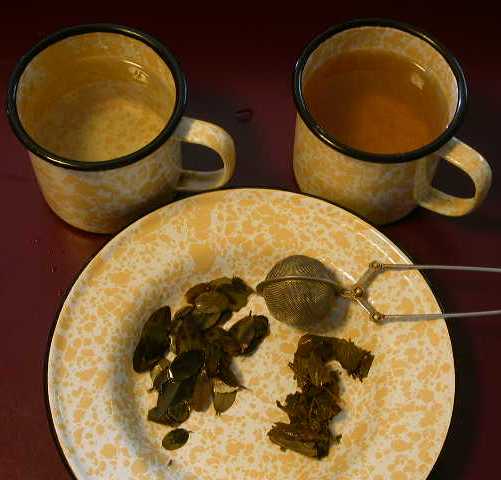
Tea Time! Yaupon Tea on left Blackberry Tea on right
~Rebecca McPhate TimmEarthly_Epona@msn.com
Here are some book titles on Amazon that I have read and keep in my own personal library- before buying always check first with your public library in the regional/state section!
Native Alternatives to Invasive Species
ISBN: 978-1889538778
A Field Guide to Edible Wild Plants: Eastern and central North America (Peterson Field Guides)
ISBN: 978-0395926222
A Field Guide to Medicinal Plants and Herbs: Of Eastern and Central North America (Peterson Field Guides)
ISBN: 978-0395988145
How to Get Your Lawn off Grass: A North American Guide to Turning Off the Water Tap and Going Native
ISBN: 978-1550172591


